In cricket, the googly refers to a delivery that a wrist spinner bowls in order to deceive the batter. The batter thinks the ball is due to spin one way, but because of the rotation of the bowler’s wrist the ball spins the other, presenting him/herself with all sorts of issues.
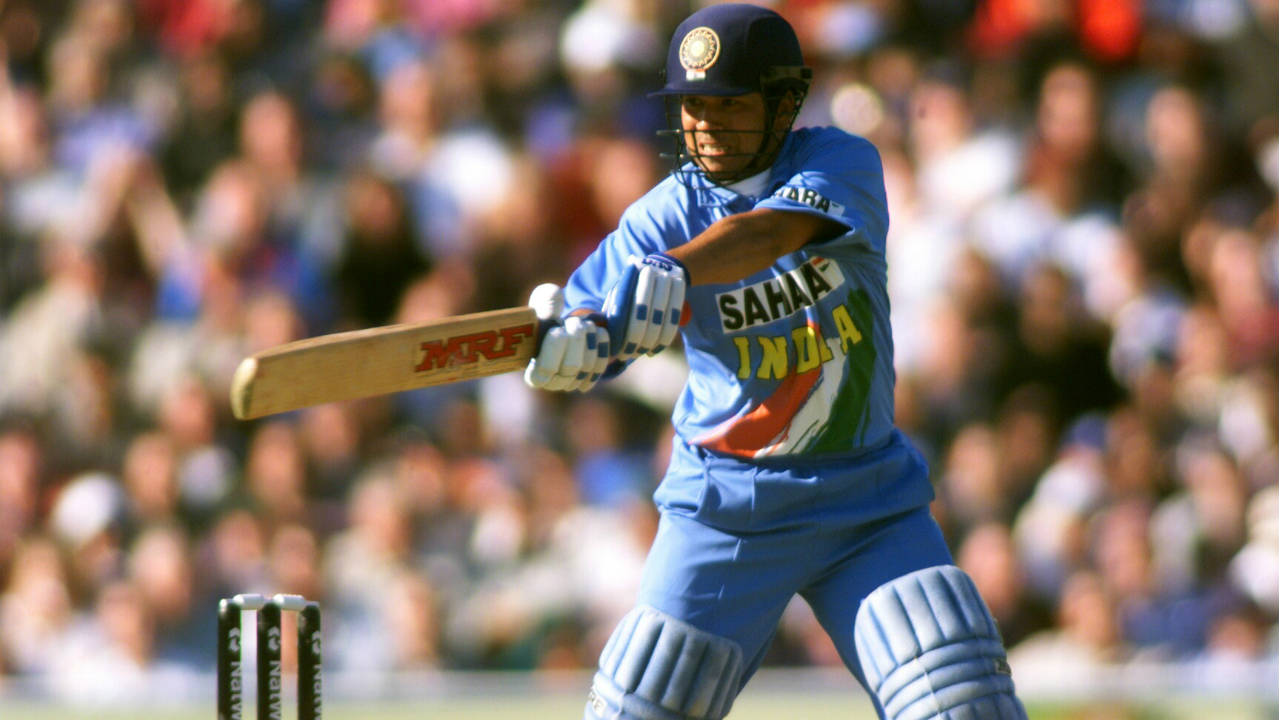
In the world of analytics and data science, we are often presented with the googly. We think we are reading the story of the data correctly, then at the last moment the contrary manifests. A good batter (although they probably don’t know it), will think in a fairly Bayesian fashion; after every ball they will update their prediction of what the next delivery will be, based on all of the information they have acquired at the crease. Against a leg-spinner, they will weigh up the probability of the bowler delivering a googly, a faster ball, a slider, or where the ball is going to pitch – based on previous delivery speeds, lengths and how the field is placed. As all of these variables are constantly changing throughout the bowler’s spell, the batter will re-align his predictions. Sachin Tendulkar was somewhat of a genius when it came to this form of batting; he could seemingly read what the bowler was about to bowl or where to place the ball prior to the delivery. Of course, he could never actually “know” where the ball was going to place, or what the bowler was going to elect to bowl – but he had fine-tuned, probabilistic talent (as well as cat-like reflexes).
My name is Frank Hopkins, I am a Data Analyst at the BBC, in Manchester. I am both a fanatic of cricket and data. Which is a match made in heaven, as cricket is among the most data-rich sports going, a game in which results are rarely attributed to luck (mainly because a test match is five days long, and no one has five days worth of luck).
Googly analytics is my latest project, where I am going to share some interesting cricket stats, some predictive models I have been working on from public APIs and the stories behind the data. In order to read the googly correctly, this site is going to have a strong emphasis on constantly updating hypotheses and predictions and being aware of the limitations behind deterministic rationale.
 Googly Analytics